
Starting a business in Nigeria is like exploring a colorful and captivating marketplace—brimming with possibilities yet laden with challenges. Amidst the population of over 200 million people lies a thriving digital economy, making Nigeria a goldmine for entrepreneurs. But like any emerging market, there are critical steps to consider to ensure your business succeeds. This guide includes practical tips and a sprinkle of my experience to illuminate your path.
Recognize Your Market
Each region in Nigeria comes with its own needs due to the diverse population. Whether your services revolve around fashion, food, or technology, researching your target audience is key. When I started a small graphic design side hustle in Lagos, I thought everyone was my potential customer. I learned the hard way that targeting young professionals and promoting my services on Instagram worked far better.
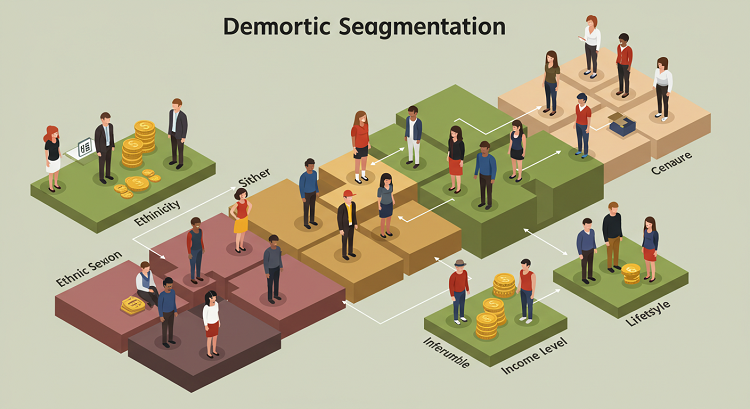
Conduct thorough research to discover demographic segmentation factors you would like to focus on, such as age, income, and location. To gain deeper insights, visit local markets, analyze social media trends, or have informal discussions with potential customers. This will help you adjust your offerings to suit your clients, regardless of whether you’re in Abuja or Port Harcourt.
Understand Regulations
Dealing with Nigeria’s regulations can be tricky. However, if you follow the processes correctly, they will keep you running in the clear. You must register your business with the Corporate Affairs Commission (CAC). This is mandatory and helps legitimize your business. I remember helping a friend with her catering business registration. Everything went smoother once we gathered all the necessary documentation, like proof of address and a business name.
Make sure you acquire a Tax Identification Number (TIN) for taxes. Depending on your field, there are certain permits you must acquire, like safety certifications for restaurants. To make sure you do not incur fines, check with local governing offices. Having a handful of solid foundational legal documents ensures that your focus stays on growing instead of dodging penalties.
Be Smart When Fundraising
Capital holds true to the saying that money makes the world go round. However, acquiring capital in Nigeria is quite an uphill task. Most loans from banks come with the burden of high interest. Consider more flexible options: personal savings, grants, or angel investors. For example, I started my design business with savings I earned from freelance work. It allowed me to operate freely but limited scaling in the initial phases.
You may look into government initiatives like the Bank of Industry’s loans or crowdfunding platforms such as Flutterwave. Staying lean requires keeping track of expenses and time—the Controlio app allows you to track your time with easy-to-use software, ensuring all dollars spent are on revenue-generating activities such as product development or marketing.
Establish a Digital Presence
Internet access in Nigeria is over 100 million and counting, so make sure you have a digital presence. Instagram and WhatsApp serve as a shop window and marketing tools. When I started, my clients poured in when I started posting my designs in Instagram Stories. You can also create a simple website or a Google Business Profile to increase your brand’s visibility and credibility.
Make sure you invest in quality visuals because Nigerians love appealing and captivating content. Respond to comments and share behind-the-scenes videos to engage with your audience. Remember, you are not just selling; you are building a community around your brand that trusts it.
Prepare for Logistics Challenges
Think about the Lagos traffic or constant power outages—this is only a fragment of Nigeria’s infrastructure challenges. These hurdles can be quite frustrating. In the past, a client almost didn’t renew their contract because a courier delayed the delivery of printed flyers. Now, they always use multiple couriers and ensure all timelines are communicated clearly.
Focus on getting reliable suppliers and delivery services. Also, a small generator or even a solar inverter can power your business during outages. Controlling logistics is time-consuming, but tools like the Controlio app can help streamline operations.
Final Note: Embrace the Journey
Opening a business in Nigeria may feel intimidating, but it can be a great opportunity with the proper preparations in place. Understanding your market, complying with laws, finding funding, going digital, and managing logistics work in your favor. Personally, I feel like being persistent and adaptable was incredibly helpful during my experience in Nigeria. With the help of the Controlio app and other organizational tools, feel free to pursue your dreams. With a little luck, your business could become a shining asset to Nigeria’s economy!